Cloud infrastructure security is now a core requirement for modern businesses. As companies move applications, workloads, and sensitive data to the cloud, they need to manage new risks related to access, configuration, privacy, and compliance.
Protecting data in the cloud requires more than individual security tools. It depends on a structured approach that combines encryption, identity management, monitoring, backup, incident response, and a clear division of responsibilities between the cloud provider and the customer.
What Is Cloud Security?
Cloud security is a set of technologies, policies, and processes designed to protect data, applications, and infrastructure in cloud environments. It covers distributed resources and must take into account the specifics of virtualized and multi-tenant infrastructure.
Cloud infrastructure security usually includes:
— data encryption
— access control and identity management
— network traffic monitoring
— protection against external attacks
— backup and recovery procedures
— compliance with regulatory and industry requirements
Cloud providers are responsible for securing the underlying infrastructure, including physical data centers, network components, and virtualization layers. Customers remain responsible for protecting their own data, applications, operating systems, access policies, and configurations.
This approach is known as the shared responsibility model. It helps create a multi-layered security framework, but only if both sides clearly understand their areas of responsibility.
Risks of Data Leaks in the Cloud
The main security risks in cloud environments include unauthorized access, attacks on management interfaces, compromised accounts, and weaknesses in identity systems.
Misconfiguration remains one of the most common causes of cloud security incidents. Publicly exposed storage, excessive permissions, or open network access can give unauthorized users access to sensitive information. If encryption is not configured correctly, attackers may be able to exploit these weaknesses and access data.
Insider threats are another important risk. Administrators, developers, and other privileged users often have access to critical systems. Without proper monitoring, logging, and access control, both accidental mistakes and malicious actions can affect confidential data.
Cloud environments also rely heavily on APIs and management consoles. If these interfaces are not protected with strong authentication, role-based permissions, and monitoring, they can become a target for attackers.
Privacy Challenges in Cloud Computing
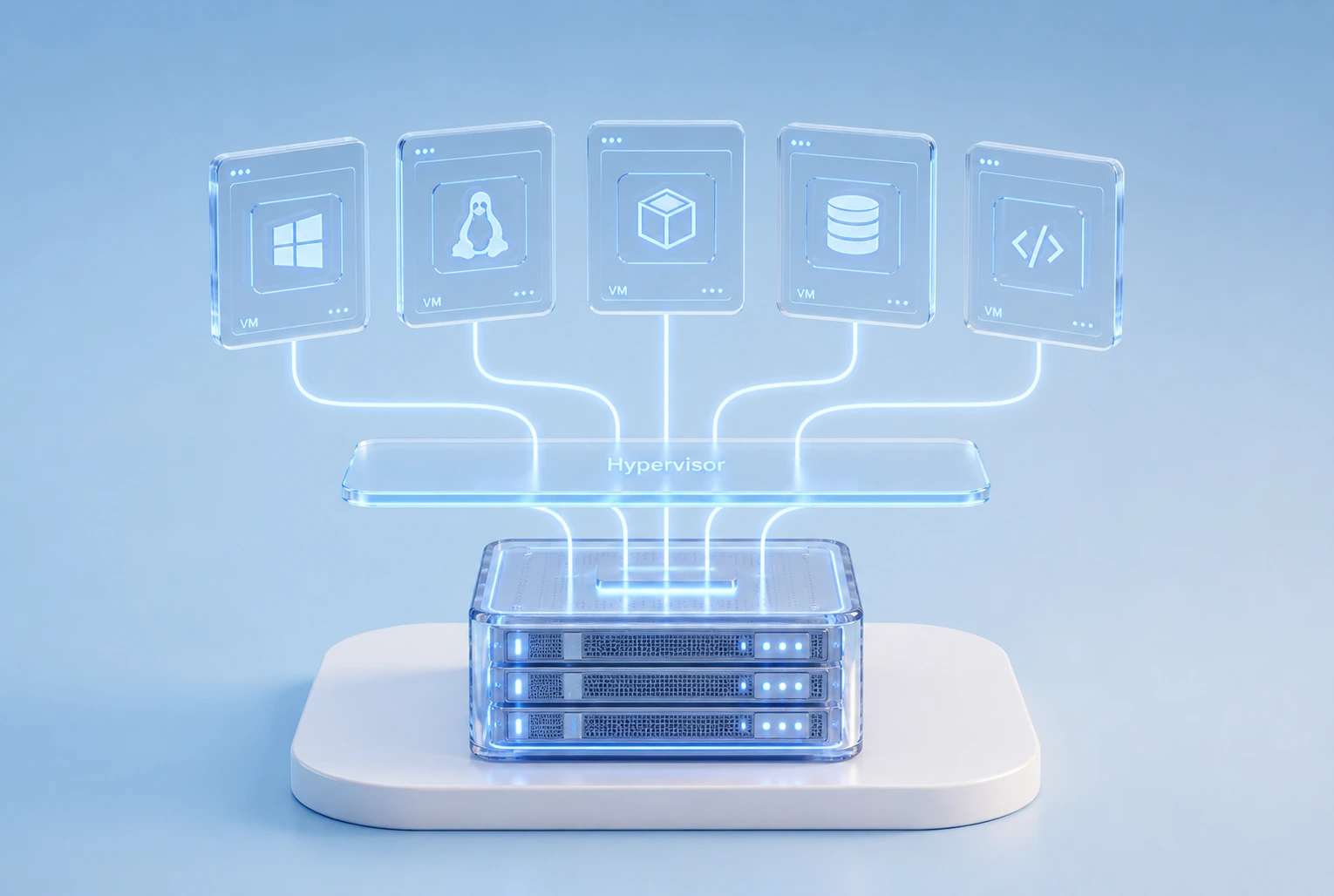
Cloud computing security must also address privacy in multi-tenant environments. Virtualized infrastructure often serves many customers on shared physical resources, which makes tenant isolation essential.
This requires strong separation between workloads, virtual machines, and containers. Common protection mechanisms include secure hypervisors, network microsegmentation, and the principle of least privilege.
Special attention should also be given to metadata services and management systems. These components may contain access keys, configuration parameters, or other sensitive information. API encryption, access control, multi-factor authentication for administrators, and continuous monitoring help detect suspicious activity and reduce the risk of data leakage.
How to Protect Data in Cloud Storage
Cloud data protection starts with encryption. Data should be encrypted both at rest and in transit. This provides a basic layer of protection against unauthorized access, especially if storage systems, backups, or network connections are exposed.
For stronger control, companies should manage encryption keys carefully. In many cases, this means using a dedicated key management system (KMS) or hardware security module (HSM), rather than relying only on default provider-managed keys.
Multi-factor authentication significantly improves access security. Combining passwords with additional verification methods, such as hardware tokens or biometric authentication, reduces the risk of account compromise.
Regular backups and tested recovery procedures are also essential. Backups should not only be created, but also verified. Storing backup copies across different locations or availability zones helps reduce risks linked to local infrastructure failures.
Core cloud data protection measures include:
— classification of data by sensitivity level
— use of the least privilege principle
— regular audit of permissions and access rights
— real-time monitoring of suspicious activity
— data loss prevention tools
— backup and recovery testing
— encryption at rest and in transit
How to Choose Cloud Security Solutions
When building cloud infrastructure security, companies should evaluate not only individual tools, but also the maturity and completeness of the overall security model.
For small and medium-sized businesses, managed security services can be a practical option. Services such as WAF, Anti-DDoS protection, EDR, or managed monitoring allow companies to improve protection without building a large in-house security team.
Larger organizations often need more advanced capabilities, including 24/7 SOC monitoring, automated incident response, log analysis, threat detection, and compliance reporting. This helps identify risks earlier and simplifies work with audits and regulatory requirements.
Companies such as ITGLOBAL.COM can support the full security lifecycle, from design and implementation to continuous monitoring and regular improvement of security controls. This approach makes risk management more transparent and helps businesses focus on operations instead of routine security administration.
Compliance and Cloud Providers
Information security services must comply with relevant regulatory and industry requirements. For companies operating in Europe, this often includes requirements related to data protection, privacy, data residency, access control, and auditability.
International standards such as ISO 27001 define best practices for information security management. Compliance with these standards demonstrates that a provider has structured security processes, documented controls, and regular audit procedures.
For cloud environments, ISO 27017 is also relevant, as it provides guidance for information security controls specific to cloud services. Companies in regulated sectors, such as finance, healthcare, or public services, may also need additional security and reporting measures depending on their industry and jurisdiction.
When choosing a cloud provider, businesses should assess:
— where data is stored and processed
— what security certifications the provider holds
— how access to infrastructure is controlled
— what audit and reporting options are available
— how incidents are detected, reported, and handled
— whether the provider can support sector-specific requirements
A Comprehensive Approach to Cloud Infrastructure Security
ITGLOBAL.COM builds cloud security as an integrated service model, covering infrastructure protection, access control, monitoring, and incident response.
This allows companies to delegate part of the technical security workload to an external expert team while keeping control over business processes, applications, and data policies.
Key Security Services
Anti-DDoS and WAF
Anti-DDoS protection helps mitigate volumetric attacks, HTTP/HTTPS floods, and malicious bot traffic. These measures help maintain service availability during external attacks.
A cloud-based Web Application Firewall protects web applications against application-layer threats, including common risks from the OWASP Top 10, such as SQL injection, cross-site scripting, and remote code execution.
Secure Infrastructure
Cloud infrastructure security depends on the reliability of the underlying platform. This includes protected data centers, network segmentation, controlled access, virtualization security, and operational procedures designed to reduce infrastructure risks.
Multi-Factor Authentication
Multi-factor authentication strengthens access control by requiring additional verification beyond a password. It is especially important for administrator accounts, remote access, management consoles, and critical cloud services.
Endpoint Protection and EDR
Endpoint protection and EDR services help detect suspicious activity, malware, and abnormal behavior across systems connected to the cloud environment. These tools support faster detection and response to potential threats.
SOC 24/7
A Security Operations Center provides continuous monitoring of infrastructure events, logs, and security alerts. SOC services help detect threats in real time, identify anomalies, support incident response, and provide reporting within a managed service model.
Shared Responsibility Model
The boundaries of responsibility should be defined from the start. The cloud provider is typically responsible for physical infrastructure, network environment, and virtualization layers. The customer is responsible for virtual machine settings, applications, data, user access, and security policies.
Clear separation of responsibilities improves transparency and reduces the risk of misunderstanding between the provider and the customer.
Verified Reliability
Reliable cloud infrastructure depends on both technical architecture and formalized operational processes. Data center standards, redundancy models, access control, monitoring, and information security certifications all contribute to service continuity.
ITGLOBAL.COM cloud platforms are hosted in data centers classified no lower than Tier III, with N+1 redundancy. Information security processes are supported by international certifications such as ISO 27001 and ISO 27017.
This helps ensure stable service delivery, controlled infrastructure operations, and stronger protection of customer data.
Conclusion
Cloud security is not a collection of separate tools. It is a continuous process that combines technical controls, clear policies, monitoring, and expert support.
A strong cloud infrastructure security strategy should include encryption, access control, Anti-DDoS protection, WAF, MFA, endpoint protection, regular backups, and continuous SOC monitoring.
By combining these measures, ITGLOBAL.COM helps businesses protect data, support compliance requirements, and maintain the flexibility of the cloud model. The earlier a company builds a multi-layered security approach, the better it can protect its digital assets, operations, and reputation.